 Patio Cost Calculator
Introduction
When planning an outdoor improvement project, homeowners often hear the terms patio and walkway used together. While both are popular hardscaping features and are often constructed using similar materials, they serve very different purposes.
A patio is designed as an outdoor living space where people gather, relax, dine, and entertain. A walkway, on the other hand, is intended to provide a safe and attractive path connecting different areas of a property, such as the driveway, front entrance, backyard, or garden.
Understanding the differences between patios and walkways helps homeowners choose the right project, budget more accurately, and create an outdoor space that is both functional and visually appealing.
This guide explains how patios and walkways differ, compares their costs, explores the best materials for each, and discusses when it makes sense to install both as part of the same landscaping project.
Quick Answer
Although patios and walkways are often built using the same materials, they serve different purposes.
A patio is best for:
- Outdoor dining
- Entertaining guests
- Fire pits
- Outdoor kitchens
- Relaxation
- Family gatherings
A walkway is designed for:
- Safe pedestrian access
- Connecting outdoor spaces
- Improving curb appeal
- Guiding visitors
- Protecting landscaping
Many homeowners install both features to create a complete and functional outdoor living environment.
What Is a Patio?
A patio is a paved outdoor area designed for recreation and everyday use.
Most patios are located:
- Behind the home
- Adjacent to the house
- Around pools
- Near outdoor kitchens
- Within landscaped gardens
Patios typically provide enough space for:
- Dining tables
- Lounge furniture
- Grills
- Fire pits
- Outdoor seating
Unlike walkways, patios are intended as destinations rather than travel paths.
What Is a Walkway?
A walkway is a paved path that allows people to move safely between different parts of a property.
Common walkway locations include:
- Front entrance
- Side yard
- Backyard
- Garden
- Driveway connection
- Pool access
Walkways are generally narrower than patios and are designed primarily for movement rather than gathering.
Primary Purpose
The biggest difference between the two is how they're used.
Patio
Designed for:
- Entertaining
- Dining
- Relaxation
- Outdoor living
- Recreation
Homeowners often spend hours enjoying a patio with family and friends.
Walkway
Designed for:
- Walking
- Navigation
- Safety
- Property access
- Landscape organization
Walkways help people move efficiently through the property while protecting lawns and planting beds from foot traffic.
Size Comparison
Patios are usually much larger than walkways.
Typical patio sizes include:
- 150 sq ft
- 250 sq ft
- 300 sq ft
- 400 sq ft
- 500+ sq ft
Walkways are usually much narrower.
Typical widths include:
- 3 feet
- 4 feet
- 5 feet
The total square footage depends on the distance being covered.
Cost Comparison
Because patios cover larger areas, they generally cost more overall.
Typical patio installation costs:
| Material | Installed Cost |
|---|---|
| Concrete | $8–$22/sq ft |
| Pavers | $12–$30/sq ft |
| Natural Stone | $18–$45/sq ft |
Walkways often have similar square-foot pricing because they use many of the same materials, although their smaller size usually results in a lower total project cost.
Materials Used
Both patios and walkways commonly use:
- Concrete
- Concrete pavers
- Natural stone
Each material offers different advantages.
Concrete
Popular because it is:
- Affordable
- Durable
- Low maintenance
- Fast to install
Pavers
Often selected for:
- Decorative patterns
- Easy repairs
- Premium appearance
- Long lifespan
Natural Stone
Preferred when homeowners want:
- Luxury appearance
- Natural beauty
- Exceptional durability
- Timeless design
The same material can often be used throughout both the patio and walkway to create a consistent landscape design.
Design Flexibility
Both patios and walkways can be customized in countless ways.
Popular design options include:
- Curved edges
- Decorative borders
- Multiple colors
- Mixed materials
- Integrated lighting
- Garden accents
Using complementary materials and colors helps create a cohesive outdoor living space.
Should the Patio and Walkway Match?
In many cases, yes.
Using similar materials for both features creates:
- Better visual flow
- Consistent curb appeal
- Balanced landscaping
- Unified outdoor design
However, contrasting materials can also produce attractive results when planned carefully.
Installation Differences
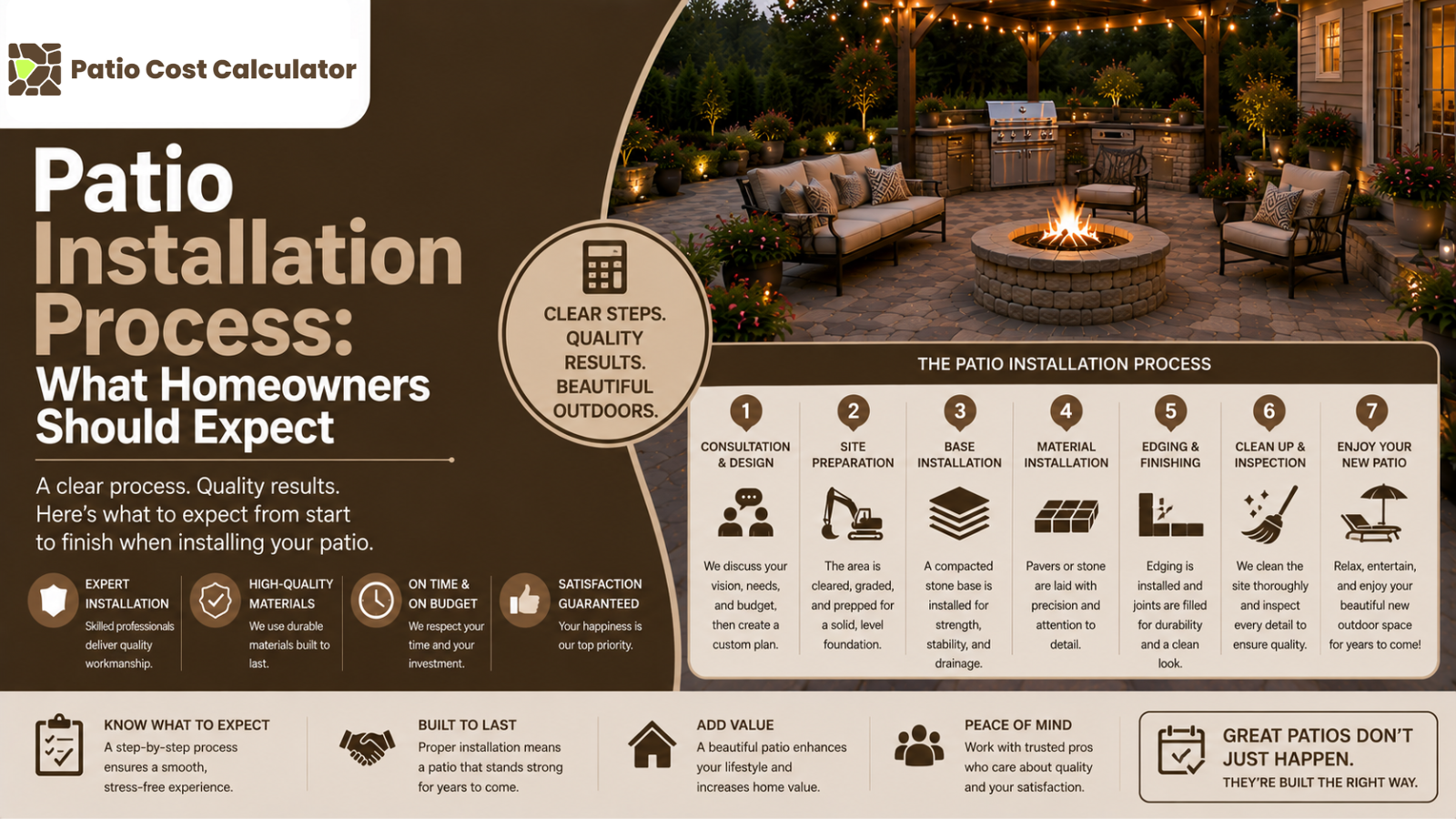
Although patios and walkways are often built from the same materials, the installation process differs because each structure serves a different purpose.
Patio Installation
Installing a patio typically involves:
- Excavating a large area
- Grading the site
- Installing a compacted gravel base
- Preparing proper drainage
- Installing the chosen patio material
- Finishing joints and edges
Because patios are designed to support outdoor furniture and frequent use, they require a stable foundation over a much larger surface.
Walkway Installation
Walkways follow many of the same installation principles but usually involve:
- Narrower excavation
- Smaller quantities of materials
- More curved layouts
- Greater attention to transitions between different areas of the property
Walkways frequently include edging materials to help maintain their shape over time.
Maintenance Comparison
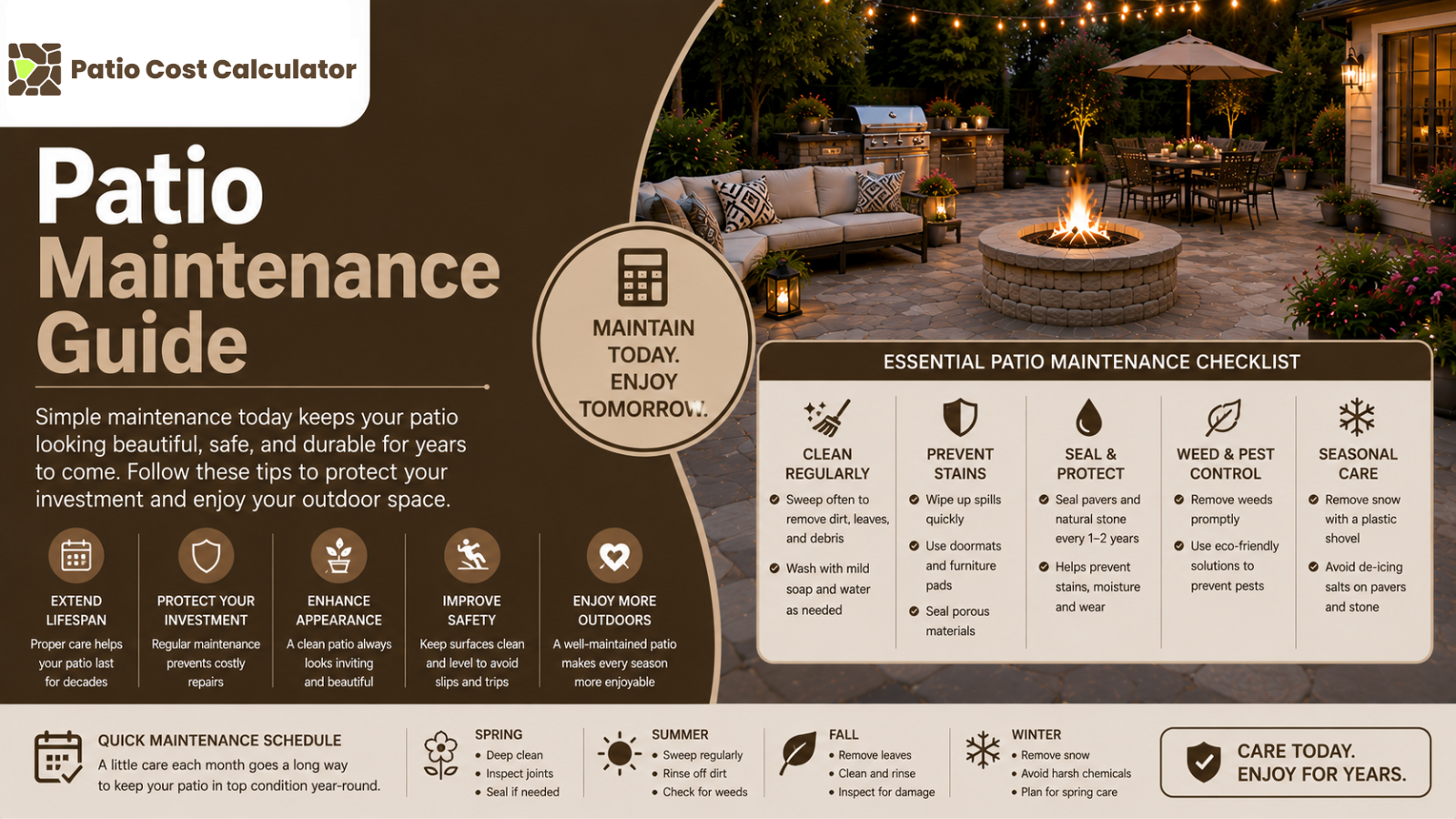
Both patios and walkways require relatively little maintenance when professionally installed.
Patio Maintenance
Routine care includes:
- Sweeping
- Washing
- Removing leaves
- Weed control (for pavers)
- Occasional sealing (for some materials)
- Minor repairs if needed
Because patios receive heavier use, they may require more frequent cleaning.
Walkway Maintenance
Walkways generally require:
- Sweeping
- Removing leaves and debris
- Cleaning stains
- Weed removal
- Inspecting for uneven sections
Since walkways are usually smaller than patios, maintenance often takes less time.
Lifespan Comparison
Both patios and walkways can provide decades of reliable service when installed correctly.
| Material | Typical Lifespan |
|---|---|
| Concrete | 25–40 years |
| Pavers | 30–50+ years |
| Natural Stone | 50–100+ years |
Because they often use identical materials, patios and walkways generally have similar expected lifespans.
Proper drainage and routine maintenance are among the most important factors affecting longevity.
Which Adds More Home Value?
Patios and walkways contribute to a property's appeal in different ways.
Patio Benefits
A patio can:
- Expand outdoor living space
- Improve backyard functionality
- Increase entertaining space
- Enhance curb appeal
- Improve buyer interest
Many buyers view a well-designed patio as an extension of the home's living area.
Walkway Benefits
Walkways improve:
- Property accessibility
- Safety
- Landscaping
- First impressions
- Navigation around the property
An attractive front walkway often creates a welcoming entrance that enhances curb appeal before visitors even reach the front door.
When Should You Build Both?
For many homeowners, the best solution is to install both a patio and one or more walkways.
This approach creates:
- Better traffic flow
- Improved functionality
- Consistent landscaping
- Enhanced curb appeal
- More enjoyable outdoor living
For example, a walkway can connect:
- The driveway to the front entrance
- The home to the backyard patio
- The patio to a fire pit
- Garden areas to outdoor seating
- A pool to the patio
Combining these features creates a more organized and attractive landscape.
Common Design Mistakes
Whether you're building a patio or a walkway, thoughtful planning is important.
Avoid these common mistakes:
- Choosing materials that clash with the home's architecture
- Ignoring drainage
- Building walkways that are too narrow
- Installing a patio that is too small for its intended use
- Creating awkward transitions between outdoor areas
- Overcrowding the landscape with hardscaping
A balanced design should leave enough room for lawns, planting beds, and other landscape features while providing comfortable outdoor living spaces.
Choosing Matching Materials
Many homeowners prefer using the same material throughout their hardscape design.
For example:
- A concrete patio paired with concrete walkways creates a clean, modern appearance.
- Pavers can be used for both patios and walkways to create decorative patterns and visual continuity.
- Natural stone provides a premium look that blends beautifully with landscaped gardens and traditional homes.
Using consistent colors, textures, and edging details helps unify the overall design.
Planning Your Outdoor Layout
Before beginning construction, think about how you'll use your outdoor space.
Ask yourself:
- Where will people gather?
- How will guests move through the yard?
- Do pathways connect naturally?
- Is there enough room for outdoor furniture?
- Will future additions such as a pergola or fire pit require extra space?
Answering these questions early helps create a more practical layout and reduces the need for costly modifications later.
Tips for a Successful Hardscape Project
Whether you're installing a patio, a walkway, or both, these tips can help ensure a successful project:
- Choose durable materials that suit your climate.
- Plan proper drainage from the beginning.
- Match hardscape materials to your home's style.
- Leave room for future landscaping.
- Request multiple contractor estimates.
- Invest in professional installation for long-term performance.
Careful planning today can result in an outdoor space that remains attractive and functional for decades.
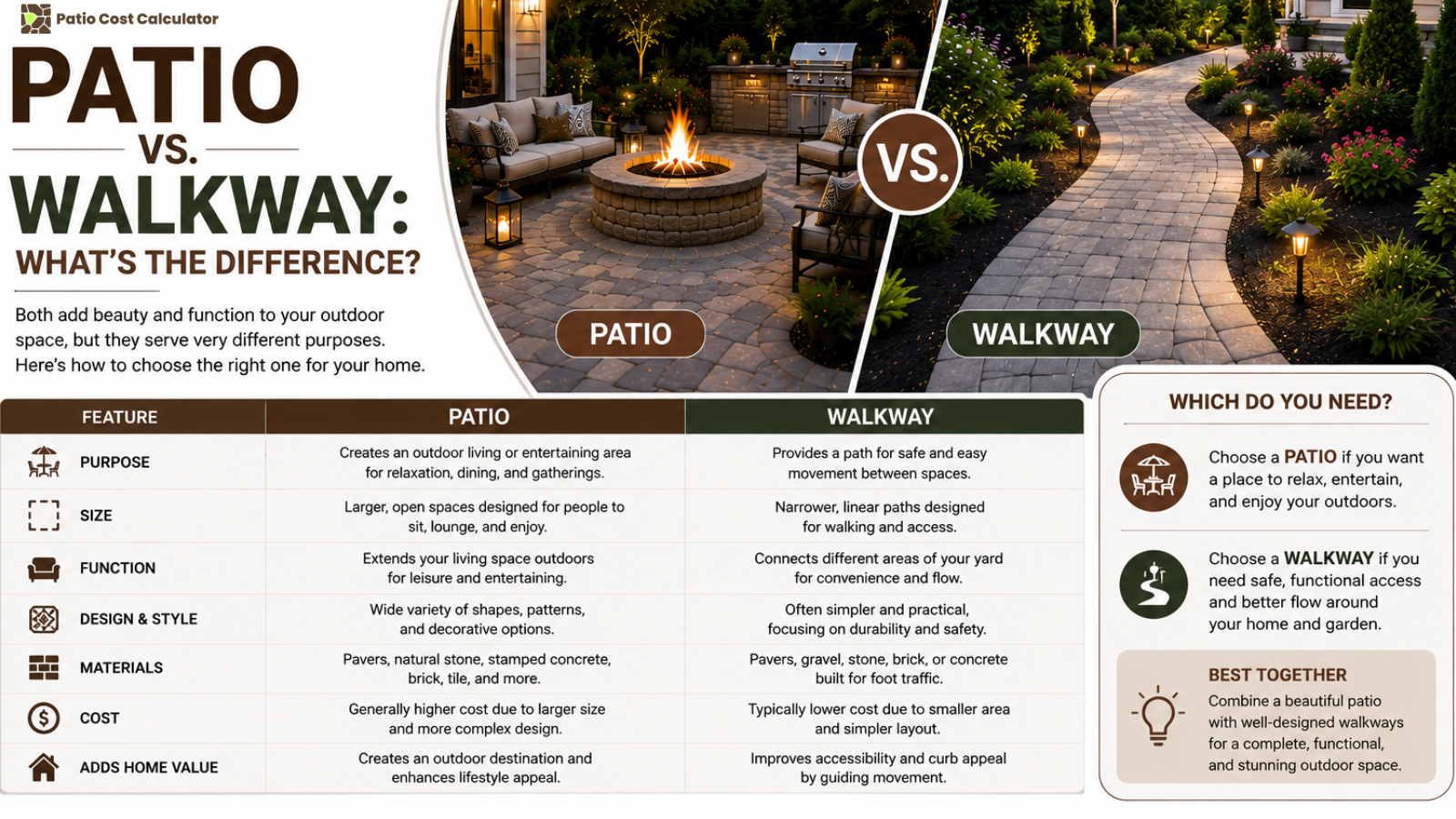
Patio vs. Walkway Comparison at a Glance
The table below highlights the major differences between patios and walkways.
| Feature | Patio | Walkway |
|---|---|---|
| Primary Purpose | Outdoor living and entertaining | Connecting areas of the property |
| Typical Size | 150–500+ sq ft | Narrow paths, usually 3–5 ft wide |
| Common Materials | Concrete, Pavers, Natural Stone | Concrete, Pavers, Natural Stone |
| Installation Cost | Higher overall due to larger size | Lower overall due to smaller size |
| Maintenance | Low | Low |
| Lifespan | 25–100+ years (depending on material) | 25–100+ years (depending on material) |
| Best Location | Backyard, pool area, garden | Front entrance, side yard, garden paths |
| Furniture Placement | Yes | No |
| Entertaining | Excellent | Not intended for gathering |
| Improves Curb Appeal | Excellent | Excellent |
Although they serve different purposes, patios and walkways often work together to create a functional and visually appealing outdoor living space.
Frequently Asked Questions
What is the difference between a patio and a walkway?
A patio is designed as an outdoor living area where people relax, dine, and entertain.
A walkway is designed primarily for movement, allowing people to safely travel between different parts of the property, such as the driveway, front entrance, backyard, or garden.
Can a patio and walkway use the same materials?
Yes.
Many homeowners choose the same material for both features to create a cohesive landscape design.
Popular options include:
- Concrete
- Concrete pavers
- Natural stone
Using matching colors and textures helps create a seamless appearance throughout the property.
Which costs more: a patio or a walkway?
In most cases, a patio costs more overall because it covers a much larger area.
However, the cost per square foot is often similar since patios and walkways commonly use the same materials and installation methods.
Does adding a walkway increase home value?
A professionally installed walkway can improve curb appeal, enhance accessibility, and create a more welcoming entrance.
While its financial impact varies depending on the property and local market, an attractive walkway generally contributes positively to the overall appearance of a home.
Should I build a patio or a walkway first?
That depends on your goals.
If your priority is creating an outdoor living space for dining and entertaining, a patio is often the first project.
If your property lacks safe access between important areas, such as the driveway and front entrance, a walkway may take priority.
Many homeowners eventually install both.
Which requires less maintenance?
Both patios and walkways are relatively low-maintenance when professionally installed.
Routine care generally includes:
- Sweeping
- Occasional washing
- Removing leaves and debris
- Weed control for paver installations
- Prompt repair of any damaged sections
Maintenance requirements depend more on the material than on whether the surface is a patio or a walkway.
Can a walkway lead directly to a patio?
Absolutely.
In fact, connecting a front entrance, backyard, garden, or pool area to a patio with a well-designed walkway creates a more functional landscape and improves the overall flow of the property.
Which material is best for both patios and walkways?
There isn't a single best choice for every homeowner.
- Concrete offers affordability and durability.
- Pavers provide decorative flexibility, easy repairs, and excellent long-term value.
- Natural Stone delivers premium beauty, exceptional longevity, and a timeless appearance.
The ideal material depends on your budget, home's architecture, maintenance preferences, and desired aesthetic.
Final Verdict
Patios and walkways serve different but complementary purposes.
A patio creates an outdoor destination where family and friends can gather, dine, relax, and entertain. It expands your usable living space and often becomes the centerpiece of the backyard.
A walkway improves accessibility by connecting different areas of the property while enhancing safety, organization, and curb appeal. Although smaller, walkways play an important role in guiding movement throughout the landscape.
For many homeowners, the best solution is not choosing one over the other—but designing both as part of a unified outdoor plan. Matching materials, thoughtful layouts, and professional installation create a cohesive landscape that is attractive, practical, and built to last.
Final Thoughts
Patios and walkways each contribute unique benefits to a home's outdoor environment. A patio provides comfortable space for everyday living and entertaining, while a walkway improves accessibility, protects landscaping, and creates an inviting path through the property. When designed together, they can dramatically enhance both the appearance and functionality of your outdoor space.
If you're planning a new patio as part of your landscaping project, use the Patio Cost Calculator on the homepage to estimate your project's cost based on your patio size, chosen material, and state. A personalized estimate will help you establish a realistic budget, compare contractor quotes with confidence, and design an outdoor living space that complements both your home and your long-term plans.